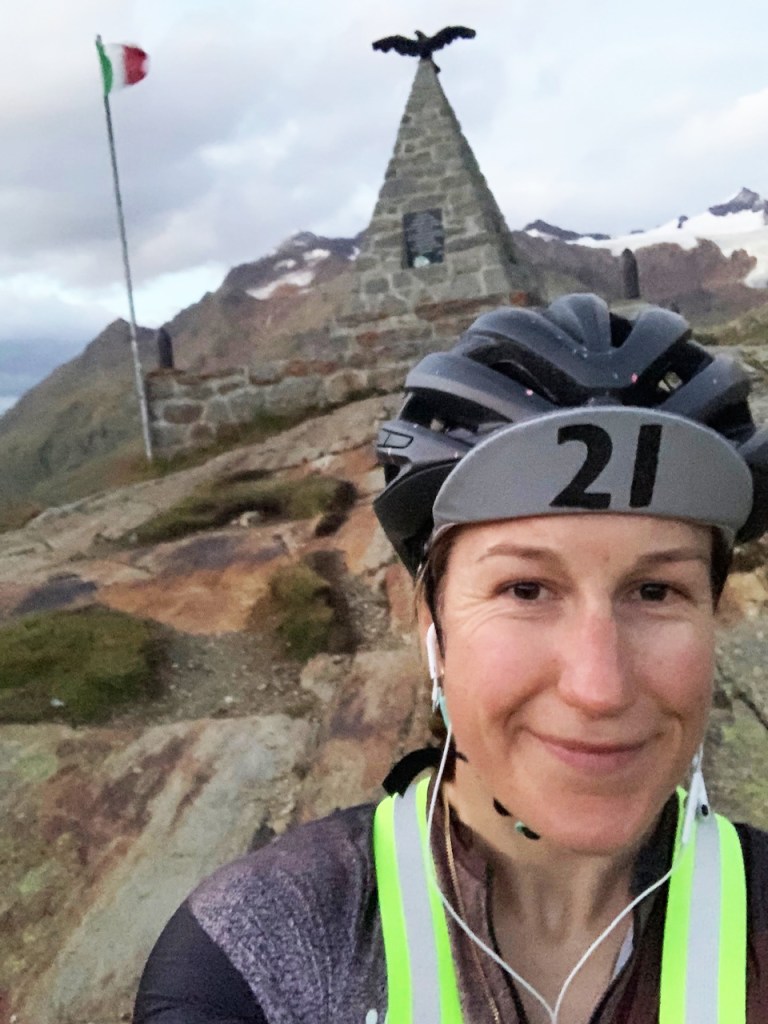
First Stop: Listen to Kirsten’s interview here.
Kirsten Cluley finished the Transcontinental Cycle Race across Europe in the summer of 2022. Kirsten is a member of Glasgow Triathlon Club and works as a physiotherapist. She presented a talk about her race experience to Glasgow Triathlon Club members recently and I was interested to find out more about her experience with reference to psychological resilience. I am delighted to present this blog post and podcast of our interview investigating Kirsten’s feelings about the race.
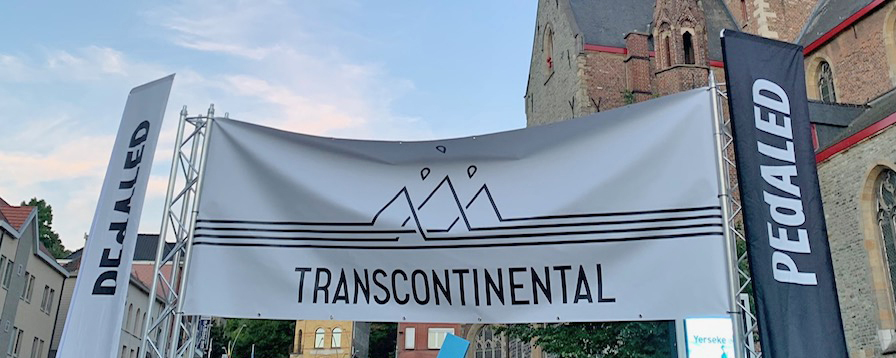
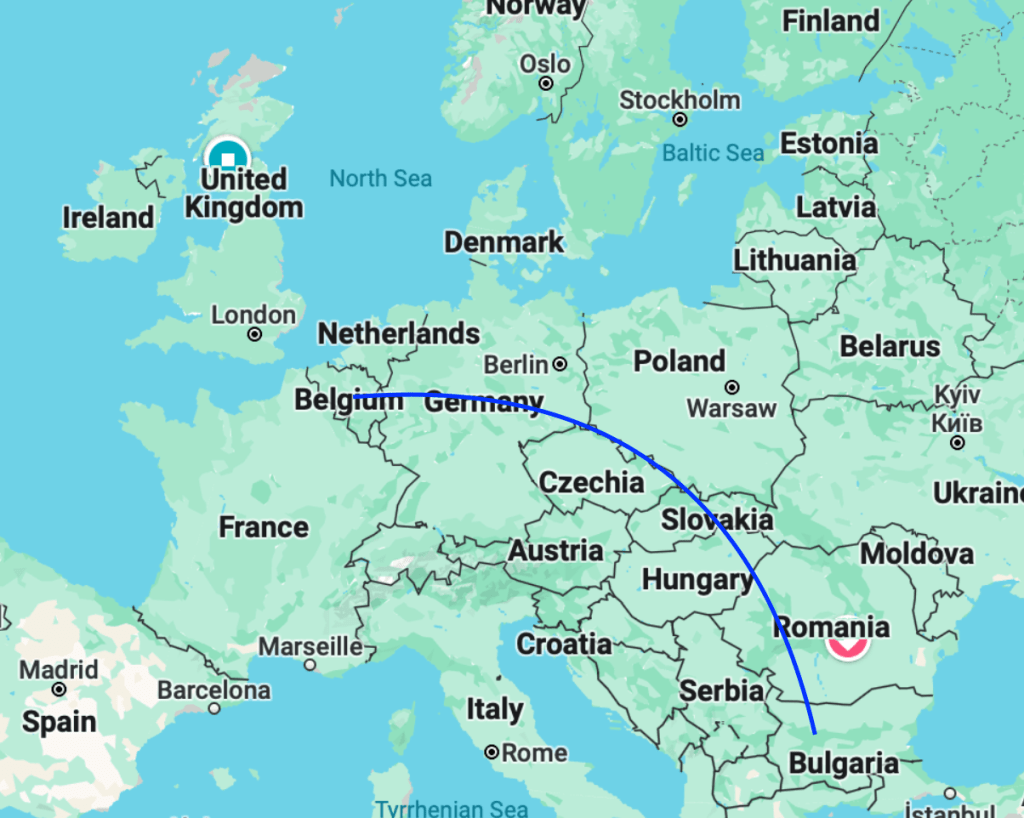
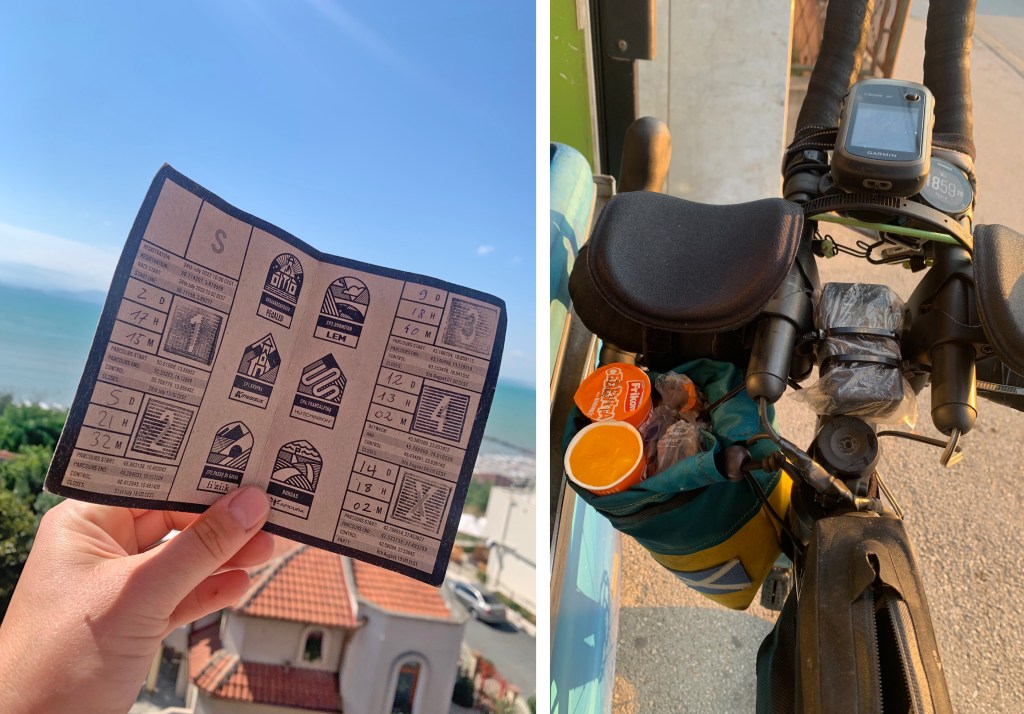
What is the Transcontinental Cycle Race? The transcontinental race is a point-to-point self-supported bicycle race across Europe. Kirsten’s event, edition 8, in 2022 comprised of riding from Belgium to Bulgaria, around 4000km. To successfully complete the race and achieve a finish in the general classification it was necessary to finish within 14 days. Kirsten succeeded.
Resilience is often defined as a process of adapting well in the face of challenges such as significant stress, setbacks, or traumas. We began our discussion by finding out what resilience means to Kirsten. Her explanation included not giving up and keeping going, no matter what. She qualified this further by saying that nothing is forever, things won’t always be difficult, and they will come good. Kirsten feels that by enduring tough times and being resilient, she can ultimately gain satisfaction and enjoyment.
I asked Kirsten if she would expand on, “no matter what.” Did no matter what really mean, no matter what? It transpired, there were boundaries for her in terms of consideration for personal safety and potential injury, though she pointed out she was very lucky not to encounter any serious issues of this nature that might have stopped her progress. Further to this, Kirsten felt that difficulties finding suitable (outdoor) sleep locations and the subsequent sleep deprivation proved to be a personal challenge she had not anticipated. She realised sleeping outdoors was detrimental to coping each day and this threatened to compromise her decision-making ability: as she became more emotional her susceptibility to give up might increase. During our discussion it became apparent that Kirsten had good adaptability in the face of challenges as highlighted by her sleep deprivation situation. Her self-awareness and ability to compromise and deviate from her plans meant that progress was possible. Being able to let go of the ‘sleeping outdoors’ experience allowed her to move forwards. We touched on the theme of perfectionism at this point and Kirsten was resolute in her belief that overplanning, especially on the Transcontinental Race, would be a hindrance. She felt that as a younger woman perfectionism was a trait that affected her behaviour and referenced growing up as the youngest of five; all four siblings being elder brothers amongst whom she often felt, “quitting was not an option.” Being able, strong, burying emotions, and keeping up were important and these ideals contributed to her version of resilience. Kirsten also explained that during her schooling and whilst living abroad after university she developed a sense of cultural adaptability and perceptiveness of others whilst not losing her sense of self.

When I mentioned confidence, was she confident? Kirsten said, “No,” it was more that she felt she could draw comparison between herself and her peers. Whilst she admitted self-doubt and sometimes felt intimidated by others’ apparent over-confidence, she knew she had similar abilities, skills and resources in place (these combine to create a sense of competence), she had trained adequately and had as good a chance as them. With these facts in place her self-determination to do her own thing during the race, as she put it, to “do me,” was apparent.
Alongside this, Kirsten felt socially supported in several ways. A cycling friend encouraged her to sign up for the race telling her, “I believe in you,” and her brother acted as a daily point of contact during the race offering moral support and a rational perspective when the minutiae of the event seemed overwhelming. She turned to another cycling friend for technical support to solve a problem that might have halted her progress. Knowing these relationships were in place, understanding their value and maintaining them proved invaluable. The feeling of relatedness (and belonging) is one of the building blocks of self-determination theory. It is combined with a sense of autonomy and competence, described in the previous paragraph.
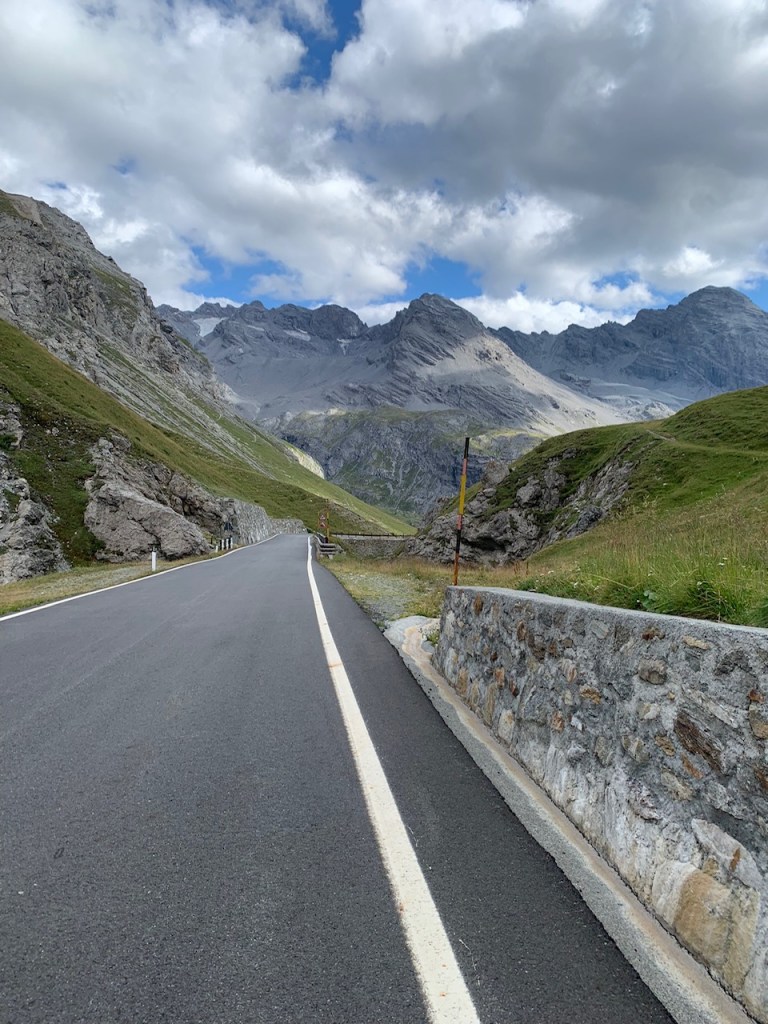
Kirsten attributes some of her success to naivety or unconscious incompetence and a happy go lucky approach to the apparent simplicity of riding her bike for two weeks. Following race completion and experiencing the associated feelings of achievement success, she felt elated, and anything was possible. This has since faded and been eroded by everyday life, and she comments that the new level of conscious competence gained from the event has proven to be a hinderance. She explains as follows; her motivation to complete, compete, or participate is different now as she feels she has nothing to prove (or less to prove). This is something Kirsten commented upon both from the perspective of external and internal motivation. Regarding external motivation, the perceived expectations of others and pressure felt before and during the event relating to the visibility of her success and her fear of failure or ridicule were significant. On this point, Kirsten did not use social media during the event. She wanted to succeed partly for the acclaim and prize inherent in the, “I’ve done it!” moment. She commented that she felt embarrassed how much she values others’ acknowledgement of her success and the visibility of it. In contrast to this, Kirsten felt that the internal achievement connected to her success was less of a motivation prior to completing the race. However, the balance of internal versus external motivation shifted for her during and after the race; attributing this to a greater sense of awareness of how happy she felt on her bike and how she gained an appreciation for the meditative simplicity of riding, greater optimism, resourcefulness, and connectedness. She better understands the value of community and of the opportunity to meet someone only once because you never know what they know and how you might benefit from their knowledge.
It is with this in mind that Kirsten feels she appreciates relationships and the roles that people play in enabling her to cope. The specificity of each relationship and the context in which it exists makes it unique, and by keeping them intact she can draw upon them when the time is right.
Overall, Kirsten explained that she feels more confident, optimistic, skilful, and resourceful and that, “everything is going to be OK, and anything is possible”.
Kirsten does not know what her next adventure might be.
 HOME
HOME 
Leave a comment