Whether you are an elite athlete, competitive amateur or participation sportsperson reviewing your season’s races or recent active experiences will prove a worthwhile experience. Why so?
Perspective. Taking time to look back, whether you are formally reviewing each of your season events with a coach or informally chatting to friends about an active holiday you can begin to reflect on what you experienced. The duration since the event can make a difference to how you feel providing you with both perspective and a more rational or realistic view. I listened to a cyclist giving a talk about their Transcontinental Cycle Race experience and found it intriguing to hear them say that a year after the event they are, “still not quite sure what happened.” Your immediate response following an experience is fresh with memories and sensations. Depending on the physiological demands you’ve been through you might, for example, be reeling with pain, buzzing from an adrenaline high or deeply exhausted, literally ready to sleep. How you cope with this is very individual and therefore the perspective you adopt will only be yours. There are those of us who find pain in any form traumatic, others who live for the next adrenaline kick and those who are not satisfied until they are spent. As you move away from your immediate response, your emotional and physical recollections and feelings about that moment, day, week, or extended challenge will change. What’s your perspective on recent active or competitive experiences and what is it about what you’ve done that draws you back or repels you?
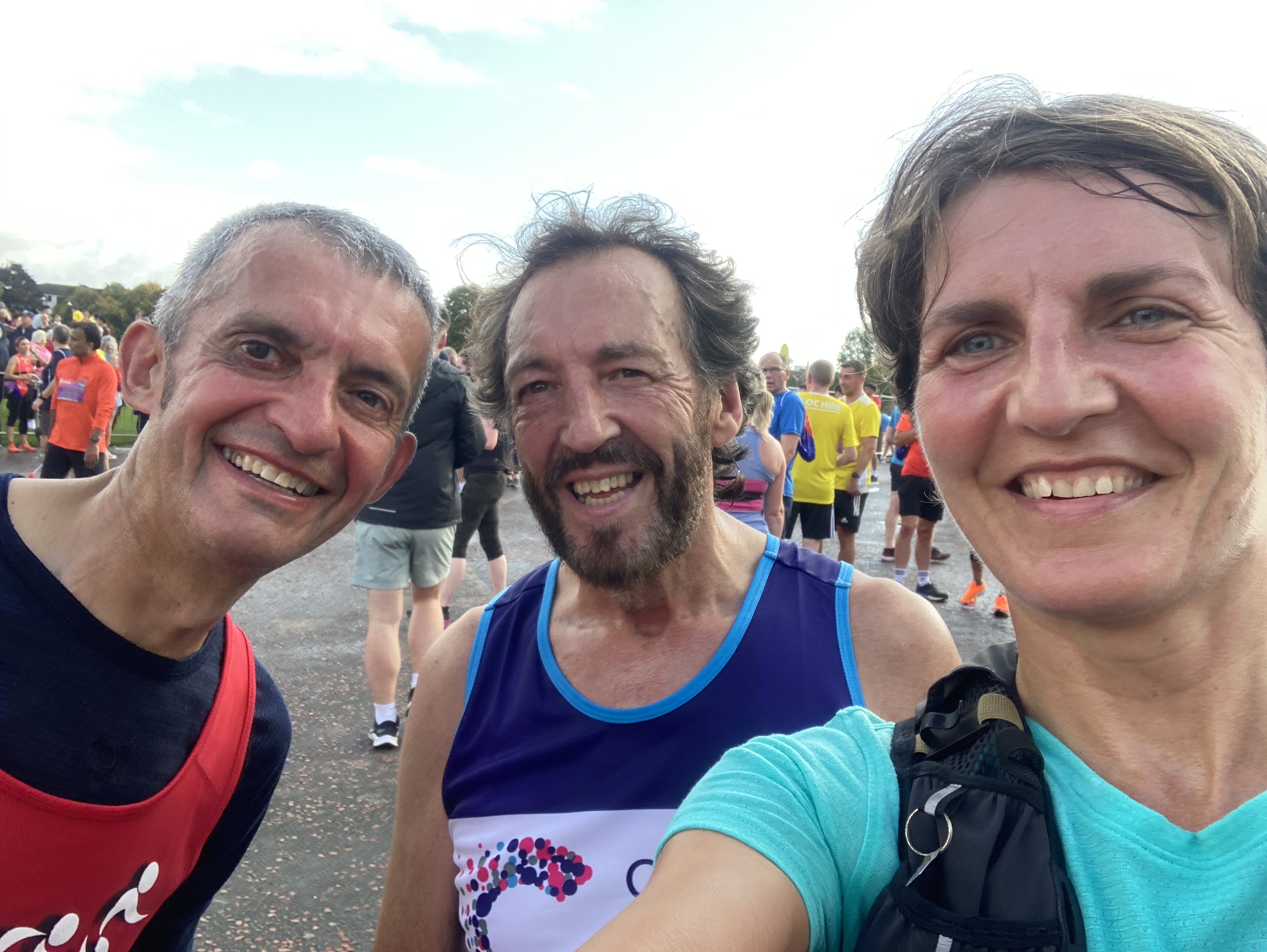
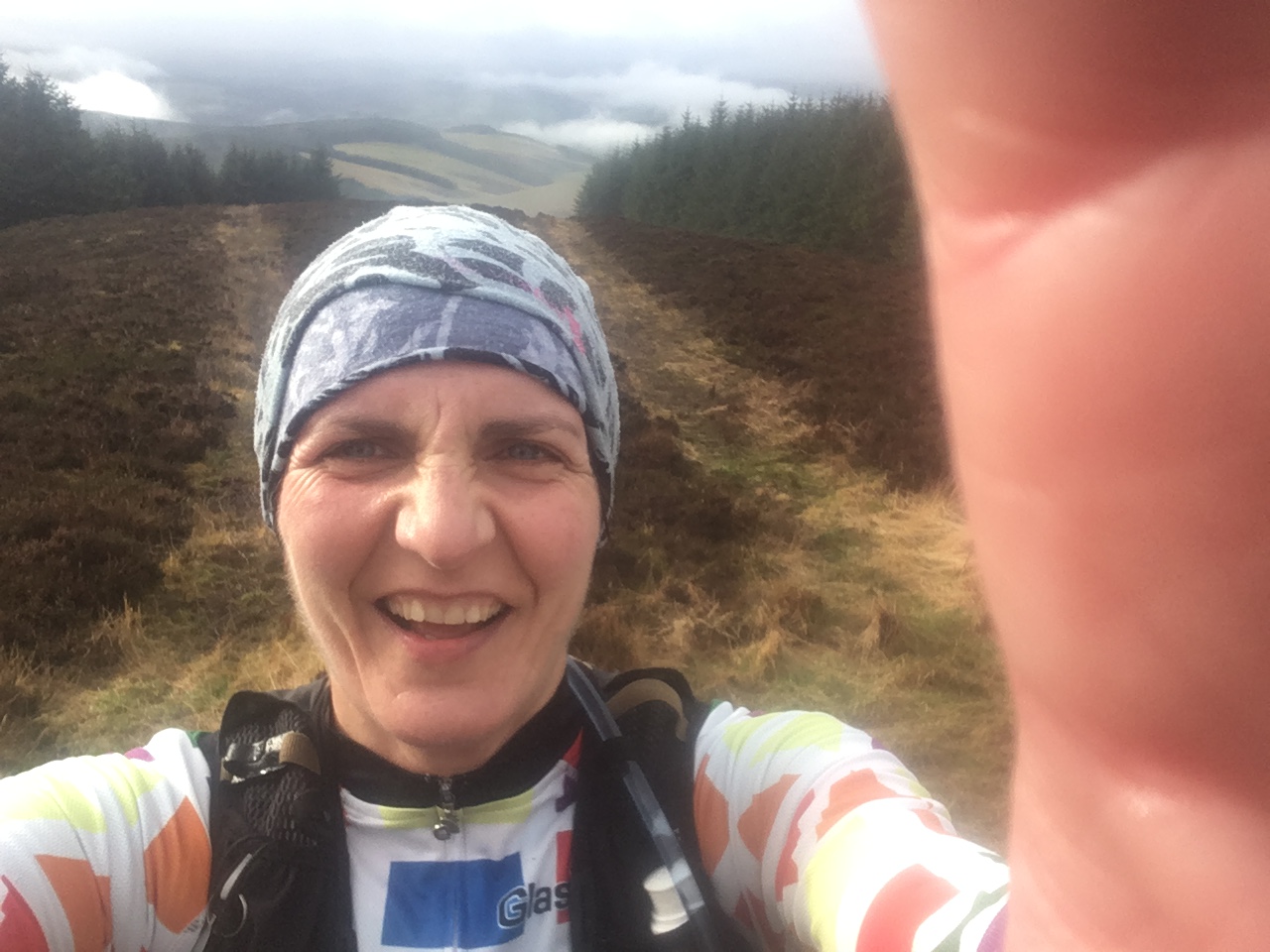
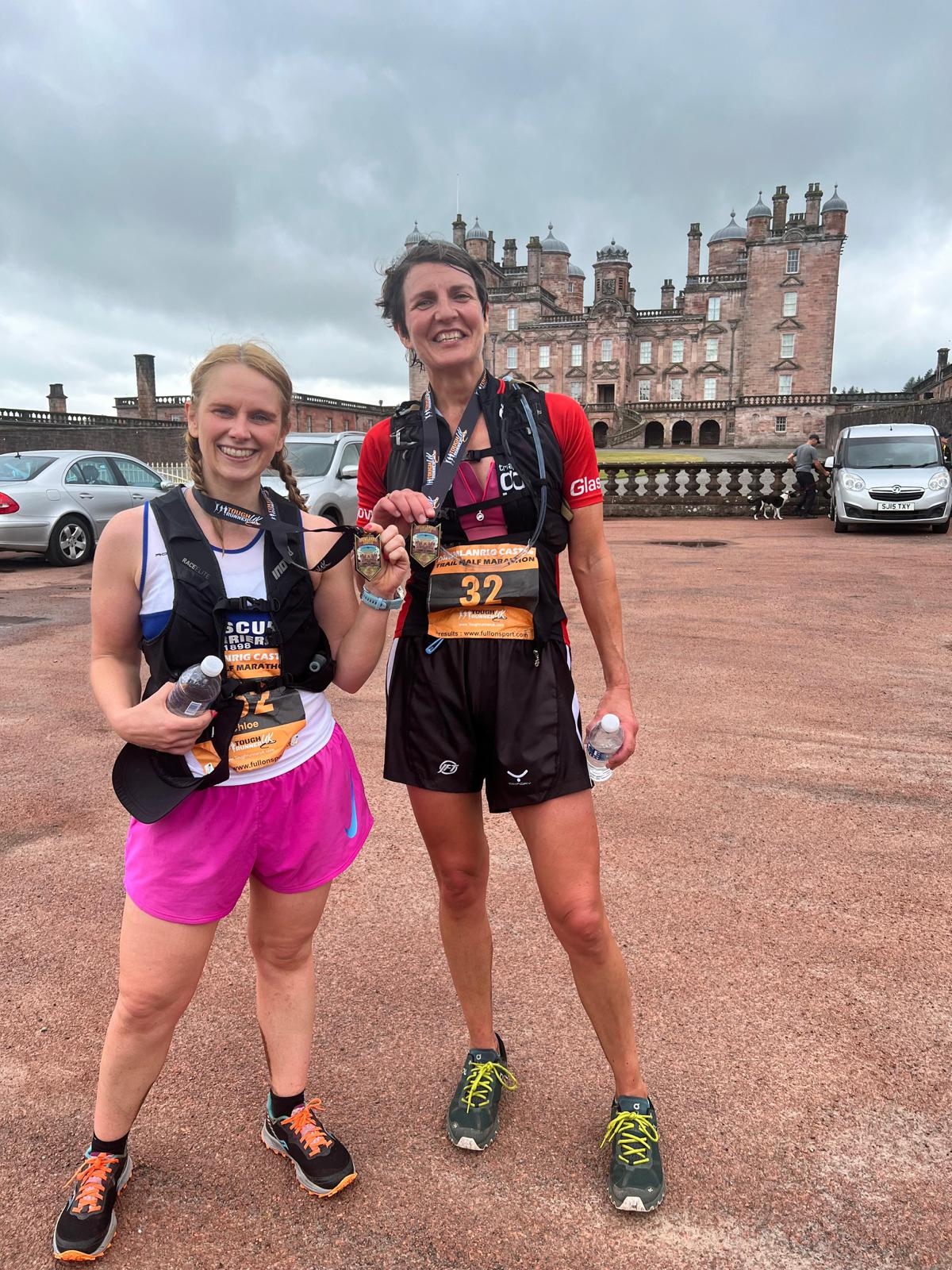

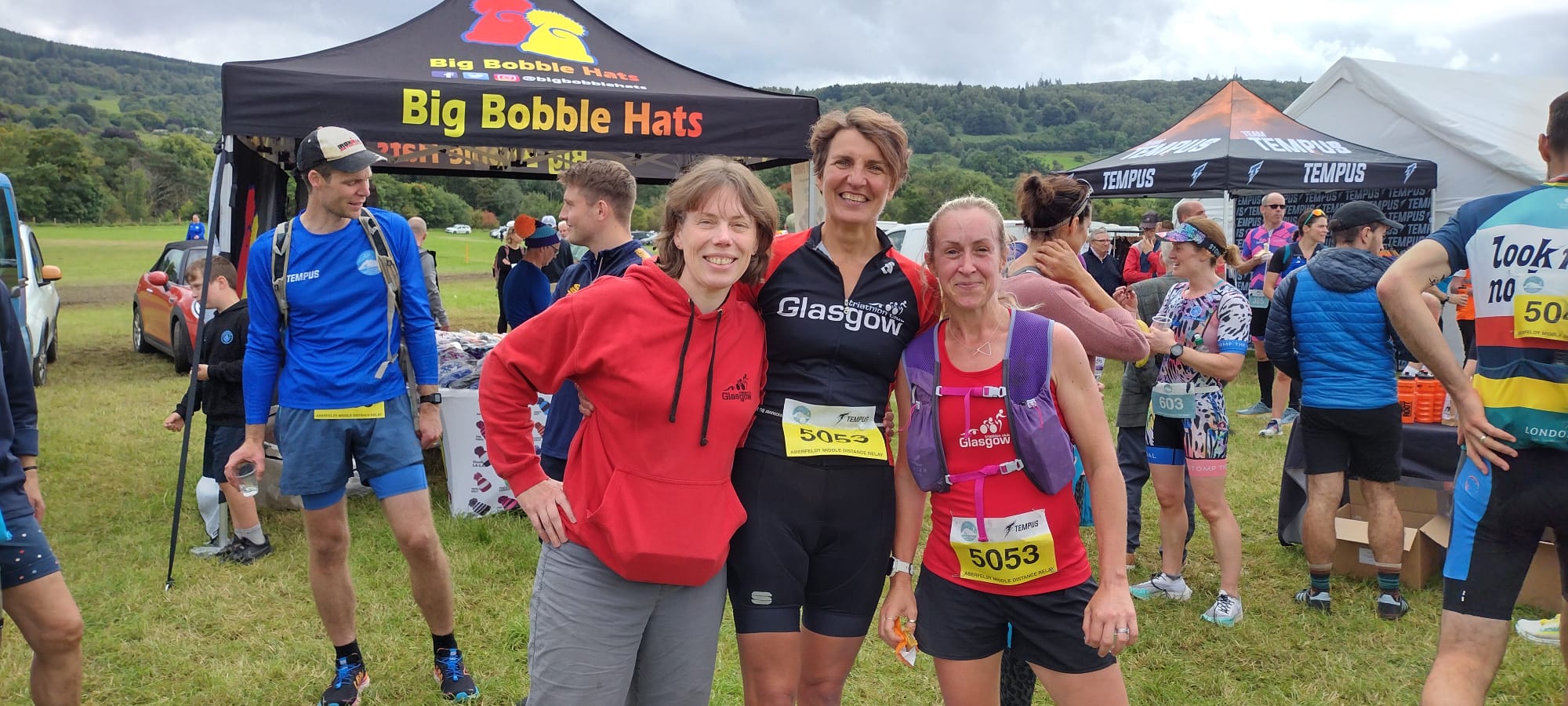

A selection of pictures from my year of participation, clockwise from top right; Glasgow’s 10km, Drumlanrig half marathon trail run, Loch Tay at Killin for the Aberfeldy middle distance triathlon (relay team) and Aberfeldy 5km swim, and Glentress half marathon trail run.
Performance. The word performance in sport is often (exclusively) associated with elite or competitive athletes. For those of you participating in active pursuits for health, wellbeing and the fun of it, performance can also be yours. In simple terms; what went well? what didn’t go so well? what did you learn? and what can you do differently next time? There isn’t an experience (sporting or otherwise) that we can’t learn from, and often this will happen sub-consciously. If you raise your conscious levels of learning and see yourself playing a responsible role in your own life and future you will seek improvements, perhaps you will seek praise, you will make comparisons with your peers and by doing so you are part way down the road of reviewing your performance and thinking about practicing or repeating the experience to gain a potentially better outcome. Drawing similarity between an actor practicing in rehearsal for their stage debut and an athlete practicing in training for their ‘A’ competition embeds the theory that the word ‘performance’ belongs to us all and ownership of a better performance is down to you.
Pleasure. In the previous paragraph we looked at the ‘whats.’ I left out what did you enjoy to investigate here: begin the process of explaining what you enjoyed with open questions like these ones. Tell me, what did you enjoy? Describe the most enjoyable aspects of your experience? Whether or not you actually enjoyed your experience will become clear as you begin to form your answers. Whilst this might seem incredibly obvious, the simple use of open questioning, even when asking yourself the questions, forces you to think more deeply about what happened. It is easy to get swept up in generalised rhetoric or (social) media hype about what most people appear to have experienced or to say what you think others want to hear about your experience. From my position and to ensure that you make informed decisions moving forwards, it’s vital for you come to your own conclusions about what you enjoy and why.
Planning. You’ve taken a step back or sideways from your race, event or activities giving you perspective. You’ve considered or analysed your performance in some way. You’ve established what it is about competing or participating that brings you pleasure (or not). Pull these into a common headspace and you will find that planning for your next season’s competition or active challenge becomes much easier. First, it’s based on your learned experience and as a result you have a conscious level of competence in your ability; second, you know where your strengths and weaknesses lie and any improvement in your competence and confidence is in your hands. All you need to do is seek support in the right areas and soak up the next level of skills and mastery. Third, knowing what you find fun and satisfying, whether or not that fits in with everyone else’s agenda, will direct you straight towards goals that fit your needs.
So, take a bit of time to think back over what you’ve achieved. Gather up some of the points that seem valuable to you and talk them over with friends and family or your coach and team or get in touch with me, The Sports Counsel, and I can help to guide you through the process.
 HOME
HOME 
Leave a comment