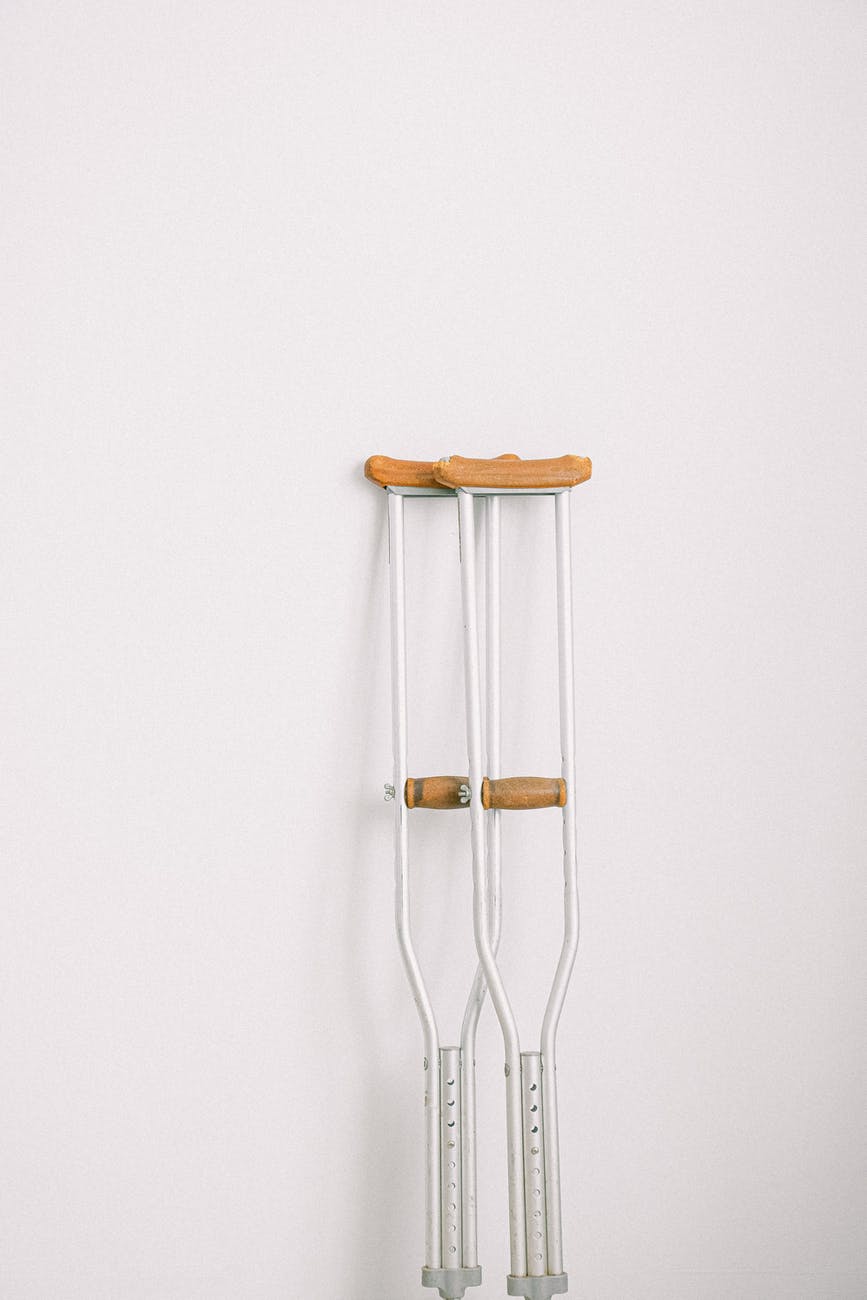
Photo by Anna Shvets on Pexels.com
Injury can be devastating for an athlete or active person. First things first, your injury is personal to you and how you feel about it is individual and entirely up to you. Whilst those around you will offer support, advice and, if you are lucky, a listening ear this will not change your response to the situation. It is only you who can change or modify your response and you have to be ready to do that.
Injury is an unexpected change in your circumstances. Depending on the circumstances, this may be temporary or enduring. It might be acute and immediate or chronic and long lasting in its effect.
Your personality might serve you well in your response to injury. You might have well-established coping mechanisms that serve you well in the event of disruptive situations. Or you might find that you lack the the right coping skills and this exacerbates the injury effect.
Two areas to think about for improving your response to injury are
- practical interventions such as relaxation or meditation and re-focussing your thoughts on new or different activities (concentration training)
- building upon or creating new social support: making good use of your family, professional services, friends and sports clubs to help you through the period of rehabilitation.
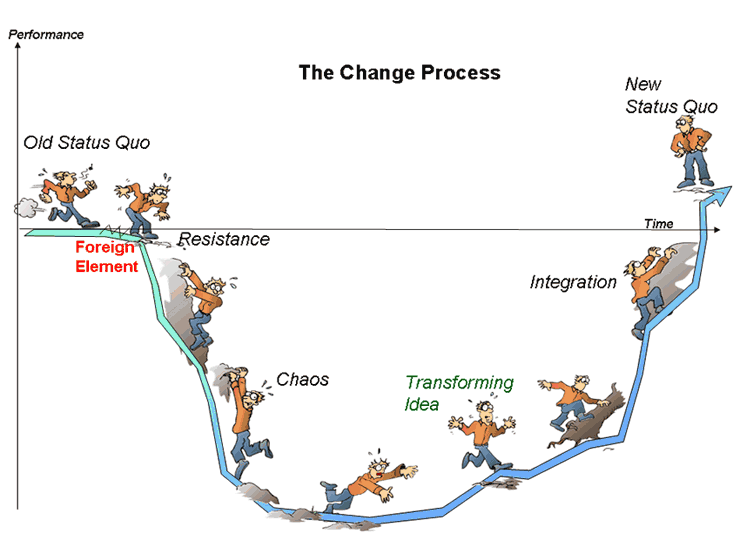
Whilst these might seem like obvious suggestions, your ability to channel your efforts into taking up a new activity or seeking out help from club mates might be challenged by where you are on your journey through the changes you are experiencing. It might just be that you need to take a little time to come to terms with things before you are open to new ideas.
If you are interested the sciency stuff related to this post, refer to Smith, R. E., Smoll, F.L., & Ptacek, J.T. (1990). Conjunctive Moderator variables in vulnerability and resiliency research: Life stress, social support and adolescent sport injuries. Journal of Personality and Social Psychology, 58, 360-9.
 HOME
HOME 
Leave a comment